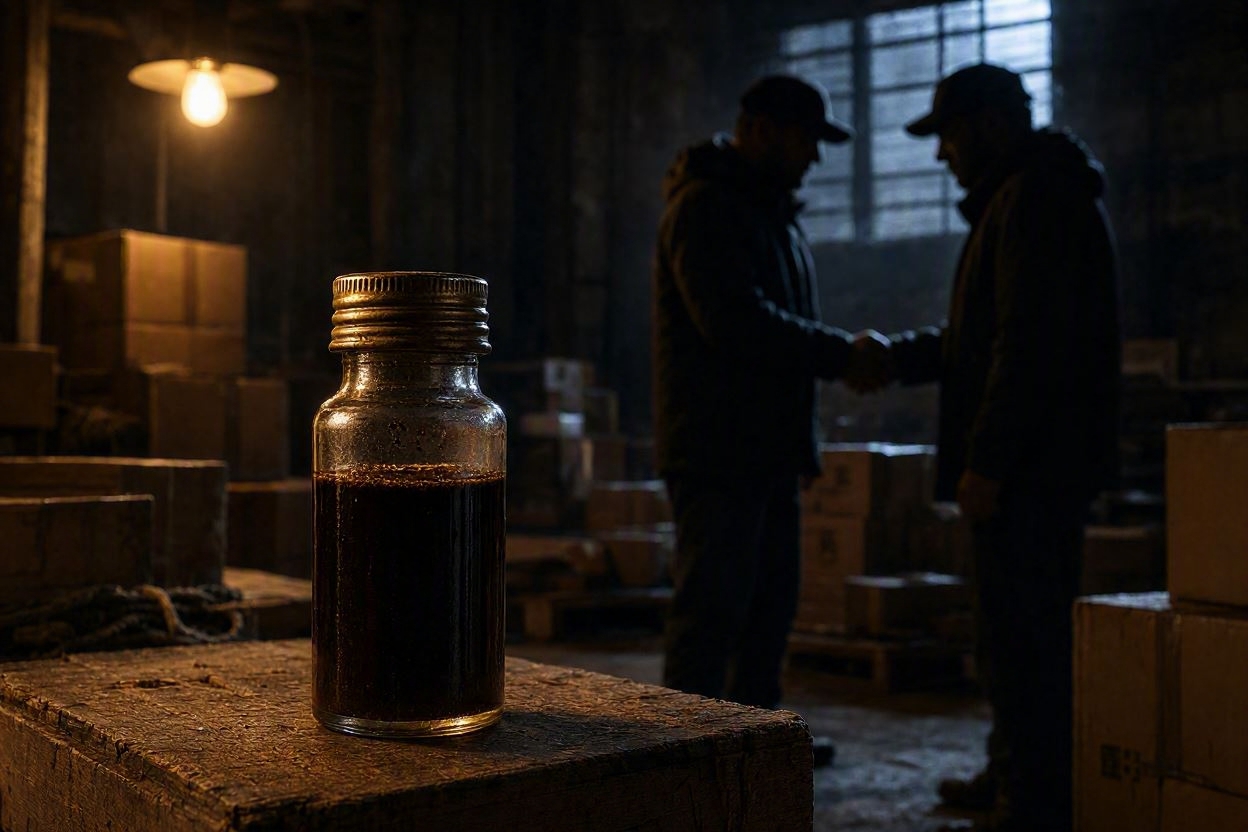
Move over gold, crypto, and drinkable freshwater. Following the unprecedented, blistering heatwave of Summer 2026, the global commodities market has a new undisputed king: black market melanin.
According to underground trade index reports leaked this morning, the street price for top-grade, UV-blocking skin pigment has skyrocketed to an all-time high of $1,600 per ounce. Economists attribute the sharp spike to a desperate, sun-baked population of fair-skinned billionaires who are completely through with SPF 1000 sunscreens that leave them looking like Victorian ghosts.
The crisis began in late July when global temperatures remained so high that standard patio furniture began bonding at a molecular level with suburban decks. As the sun transformed into what meteorologists called “an active health hazard,” the traditional indicators of wealth shifted overnight. Pale skin, once a historic marker of the leisure class who didn’t have to work in the fields, is officially out. A deep, effortless, biologically sound UV resistance is in.
The surge has given rise to a bizarre new black market ecosystem operating in the shadows of luxury resorts and climate-controlled country clubs. Sources report that shady figures in wide-brimmed hats and polarized sunglasses are frequenting upscale Hamptons beaches, whispering offers of “premium cellular defense” to desperate tech executives hiding under heavy canvas tents.
The frantic demand has also sparked a wave of high-society anxiety. At a recent climate gala in Aspen, attendees were reportedly matching their outfits not to their jewelry, but to their level of sun tolerance. Rumors are circulating that several Hollywood elite have attempted to legally classify their personal dermatologists as essential defense contractors in an effort to secure priority access to experimental pigment treatments.
Meanwhile, the synthetic melanin startup scene is booming, though not without supply chain hiccups. Tech firms in Silicon Valley claim they are working on a blockchain-backed pigment injection, tentatively named “SunCoin”, which promises to dynamically darken the user’s skin based on real-time UV index API data. However, early beta tests have not been promising
As the autumn equinox approaches, experts predict the black market price may stabilize, but only temporarily. With winter projections forecasting a record-breaking ultraviolet glare from melting polar ice, the premium on cellular sun protection is expected to remain astronomically high well into 2027. For now, the world’s wealthiest are left with a grim reality: either cough up $1,600 an ounce to face the daylight, or spend the next six months living in an air-conditioned bunker, eating vitamin D supplements in the dark.
Subscribe to Rarely Reported.com - The Truth Is Out There. The Bizarre Is Right Here.